Open this entry in Tramline Tales
Every Scar Is Now a Logo
· Sharmistha Palui
Kindly note: the most famous number in food advertising is not a number. It is a gamble.
Pick up a bottle of Heinz and find the 57. It promises fifty-seven varieties. It was never true. And it was put there by a man who, some twenty years earlier, had gone bankrupt. That is the part nobody prints on the bottle. It is also the part that explains the bottle.
These days brands go hunting for their scars. The garage, the borrowed money, the first shop that shut: dug up, polished, set in a pretty font. Heinz did not need to hunt. He was carrying his.
The Bankruptcy Before the Bottle
Issued in public interest: the man whose name is on your ketchup once could not pay his bills.
Henry John Heinz started small in 1869, in Sharpsburg, Pennsylvania, bottling horseradish. Sauerkraut, vinegar and pickles followed. So did trouble. By 1875 the business was bankrupt.
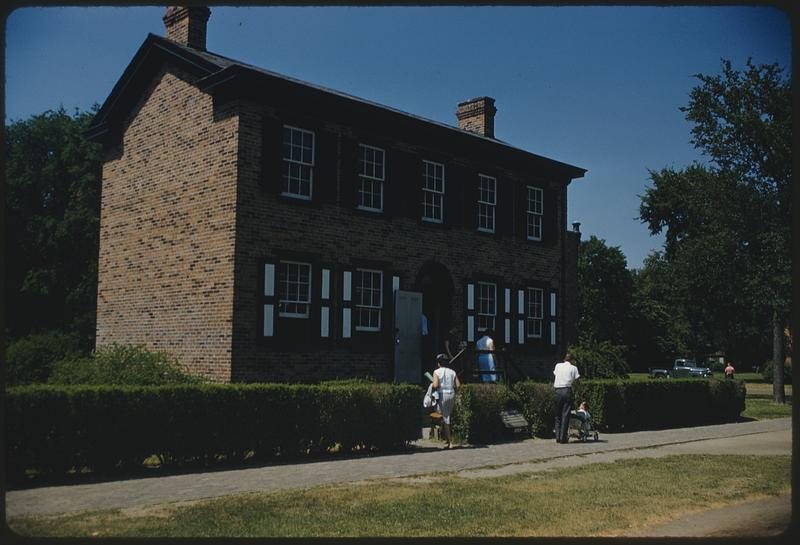
Most of us, at that point, would have taken the hint and a salaried job. Heinz took a year. In 1876 he was back with a new firm, set up with his brother and a cousin. By 1888 he had bought them both out and put his own name on the door: the H. J. Heinz Company.
Read that again in cricket terms. Out for a duck in 1875. Back at the crease in 1876. Captain by 1888. Nobody prints that first innings on a label. And yet it is the innings that taught him everything that came after: what to bottle, whom to trust, and what a name is worth once it has been worth nothing.
57, Kindly Note, Was a Lucky Guess
Now for the part I love.
In 1896, Heinz came up with the line that still sits on his bottles: 57 Varieties. Why fifty-seven, you ask? Excellent question. By then the company was already selling more than 60 products. The number was not a count. Five was his lucky number. Seven was his wife's.
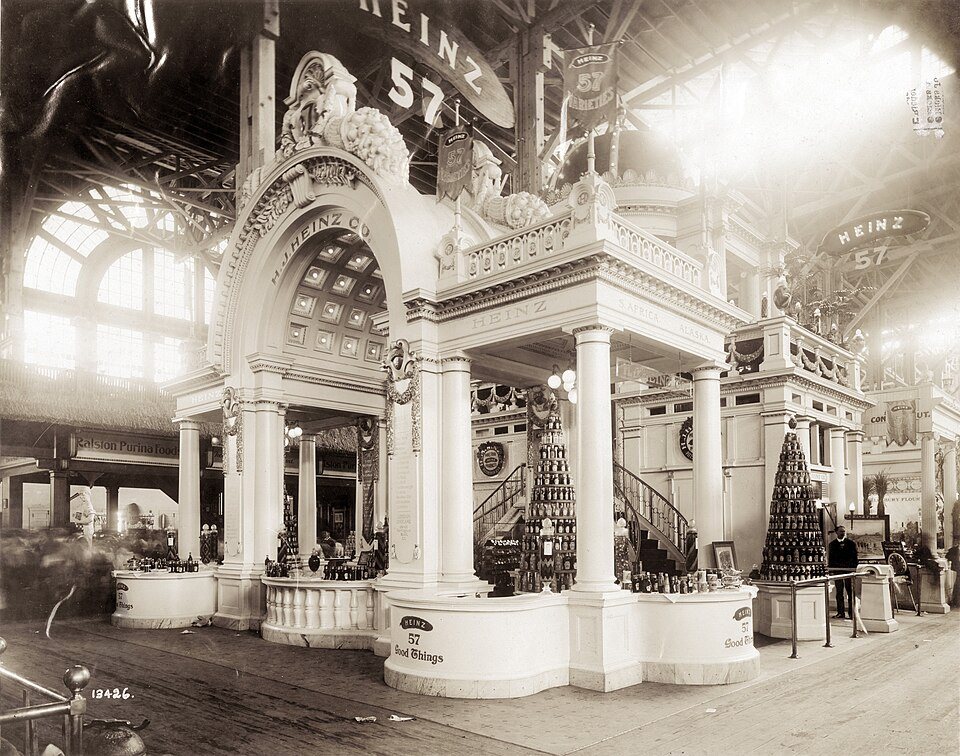
Let us defend this, as any responsible marketer must. Clearly 57 was a conservative estimate, issued in a spirit of modesty. Clearly the other products were simply shy... Who could have guessed that the most famous number in food advertising would turn out to be a pair of lucky charms? Only everyone who has ever met a marketer.
But do not mistake it for a whim. It was a bet. A man who had already lost one company was now putting an unexplained number on everything he sold. Had it flopped, he would have been the bankrupt with the silly slogan. Instead, "over 60 products" became a promise with a personality. Oddly specific, so it sounded true. Easy to remember. And carrying, quietly, the nerve of someone who had hit the floor and still chose to back his own luck in public. Some people leave their fate to the stars. Heinz printed his on the label.
Wrong on the arithmetic: right on the advertising. Take a bow, Mr Heinz.
The Loop
We like our success stories as straight lines: struggle, breakthrough, yacht. Business does not work that way. It works like a loop that keeps running, even after the balance sheet looks handsome.
A/. You fall.
B/. You restart, carrying the lesson instead of the loss.
C/. You gamble on your conviction.
D/. You turn the scar into the story.
E/. You go round again, because the next fall is already on its way.
Heinz ran the full loop. Most brands today skip straight to D. They hire a designer to find a garage, an old sign, a founding year in a pretty serif, and print it before they have earned it. The scar is borrowed. The price is not.
Run honestly, it is a virtuous loop. Every pass leaves you with a little more experience and a little more story. The only way to break it is to cheat on the first three steps.
The Scar Audit
Some homework for Monday morning, whether you run a startup, a marketing team or the shop at the corner of your street. Score one point for every yes.
A/. Do you know your hardest year, without checking?
B/. Have you ever told a customer about it?
C/. Do you still have something from that year: the first bill book, the old signboard, the ledger with the crossed-out sums?
D/. Could it fit on your packaging, your carry bag or your WhatsApp catalogue?
Zero or one: you are selling a product. Two or three: you are selling a company. Four: kindly call your designer, and ask them to stop inventing.
The audit is a game. The point is not. Every small business already owns the thing big brands spend crores trying to recreate: a real history, with real dents in it. Most hide it, because a dent looks like weakness. It is not. A dent is proof you were there.
Heinz never hid his. He carried a bankruptcy for twenty years, then gambled on two lucky numbers and printed them as if they were gospel. They became the most confident number on any supermarket shelf.
So keep the receipts of your bad years. The shop that shut, the launch that flopped, the season nobody bought. Do not paint over them. One day, they are the logo.
End of debate.